
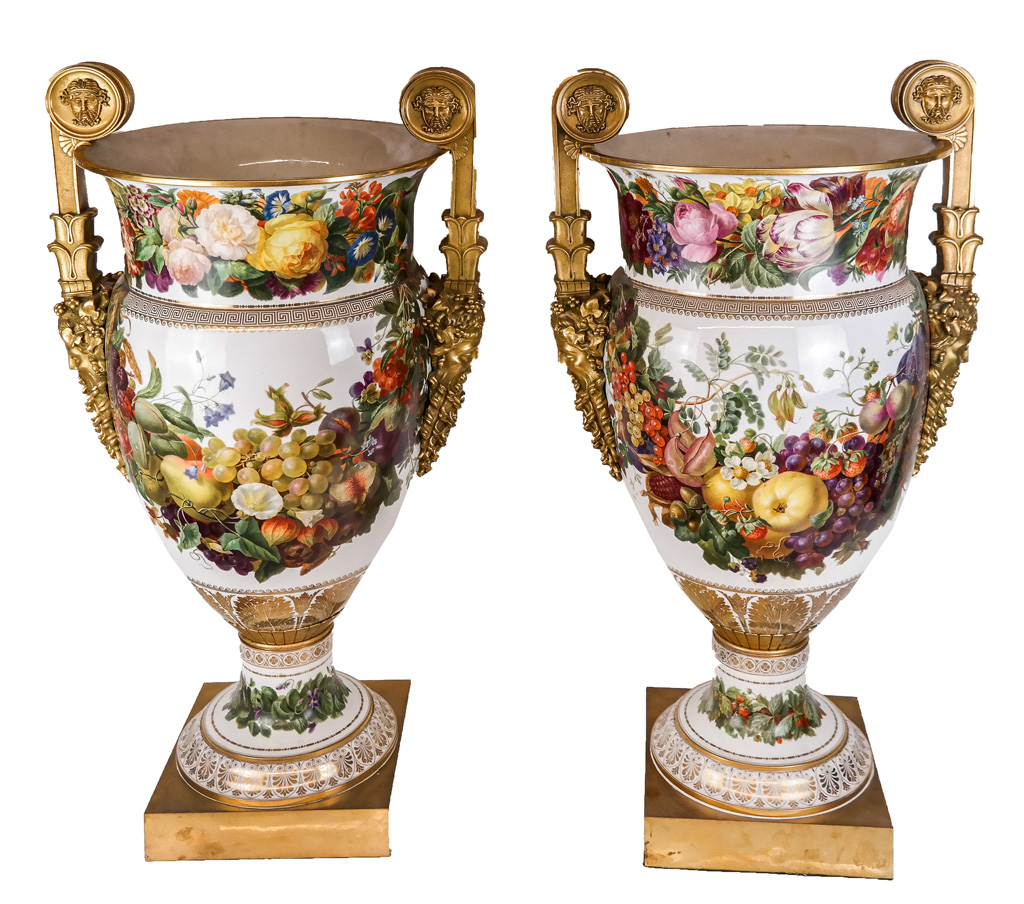
APPRAISALS
At Roland Auctioneers & Appraisers, our work begins with a clear understanding of the property in our care. Accurate valuation is the foundation of responsible estate planning, collection management, and the many practical decisions that follow. Families, fiduciaries and advisors rely on us because we combine long standing market knowledge with attentive, individualized service.
How We Work
Each assignment starts with a conversation. We listen closely to the needs of the estate or collection, outline the appropriate scope, and provide guidance on deadlines, report formats and next steps. Our team manages every stage of the process with a focus on organization and clarity, whether we are appraising a single item or an entire household.
Because Roland’s operates both an appraisal division and a full service auction gallery, we offer insight into current market conditions at every level. This includes regional, national and specialty markets, as well as practical support when families need help with removal, donation or the placement of property after valuation.
Professional Standards
Every appraisal produced by Roland Auctioneers & Appraisers complies with the Uniform Standards of Professional Appraisal Practice. This adherence is essential for IRS filings, insurance coverage, charitable donation requirements and any situation where a defensible, well supported valuation is needed.
Our credentialed appraisers hold memberships in leading professional organizations such as the Appraisers Association of America and International Society of Appraisers, reflecting our commitment to ongoing education and ethical practice.
For questions or to discuss an upcoming project, contact our Appraisals and Collection Management Services Department at julia@rolandauctions.com or 212-425-0221.
Specialized Expertise
Roland Auctioneers & Appraisers maintains an experienced in-house team with strengths across fine art, decorative arts, jewelry, Americana, militaria, collectibles, and rare books and manuscripts. The range of expertise within our appraisal team parallels the scope of our auction offerings, allowing us to value estates and collections with confidence across many categories.
This core group handles the majority of properties we encounter in estates and private collections, drawing on decades of combined experience in valuation and market analysis.
Our Expanded Reach
For unusual, highly technical or category specific projects, we draw on a trusted national network of qualified appraisers and subject specialists. These relationships allow us to assemble the right expertise for assignments involving niche markets, scientific analysis, conservation concerns or exceptionally large collections.
All outside specialists we engage meet professional appraisal standards and work under the same USPAP requirements that guide our in-house team.
Appraisal Services
Appraisals can serve a variety of purposes, each with its own set of requirements and uses. Some common reasons our clients request appraisals include:
